
Around a third of your heat goes out through unfilled cavity walls. Bead insulation, properly surveyed and installed in a day, by installers with thousands of jobs behind them.
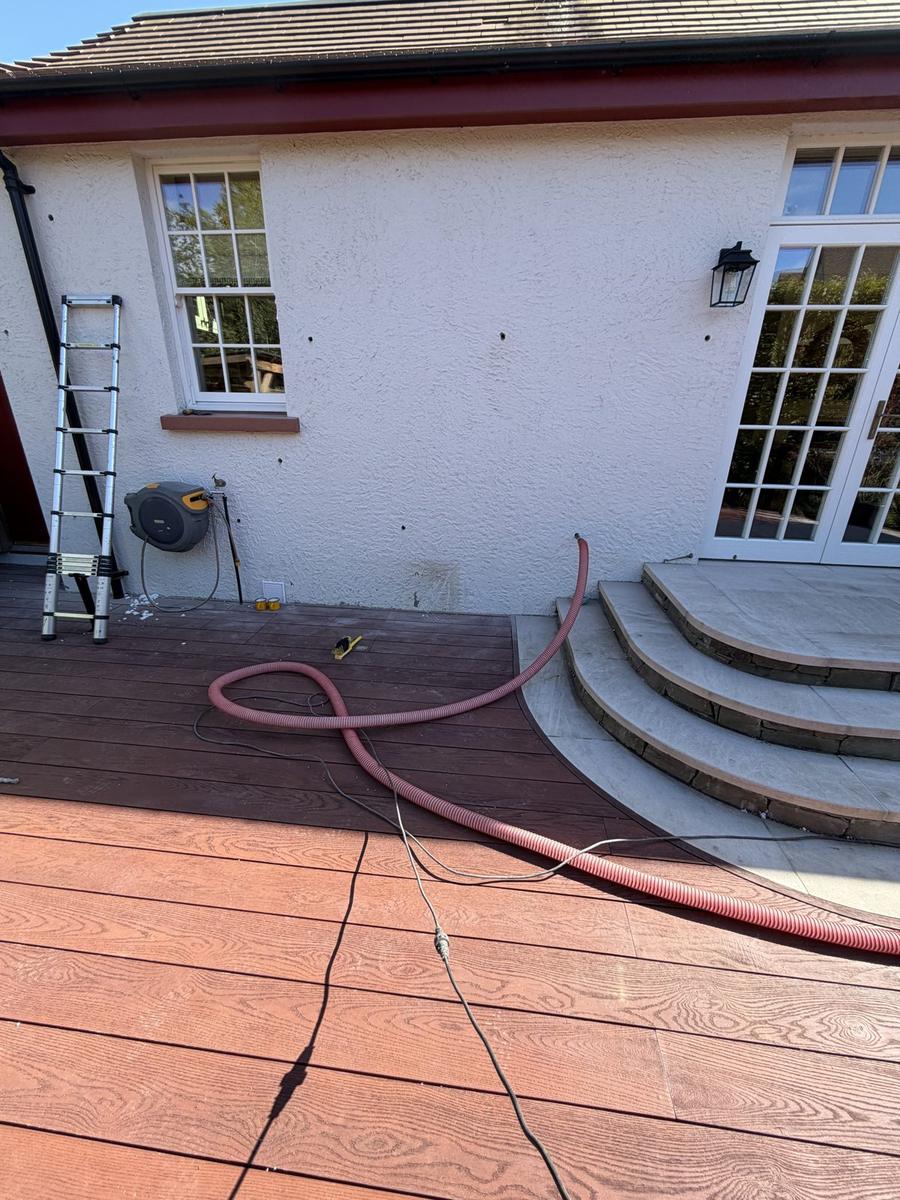

Around a third of your heat escapes through empty cavity walls. Our cavity hero looks inside the wall with a camera first, fills it with beads in a day, and seals every hole to match.
Get a free survey Meet the whole teamMost houses built after the 1920s have cavity walls: an outer leaf of brick and an inner leaf of block, brick or clay, with a gap between them. Cavity wall insulation fills that gap with an insulating material to stop heat escaping, cut heating bills and keep rooms at a steadier temperature.
Older solid stone walls, common across Scotland, have no cavity. For those, internal or external wall insulation is the right approach instead.
According to the Energy Saving Trust, around 33% of heat is lost through uninsulated cavity walls. Alongside loft insulation it's the most effective measure you can install.
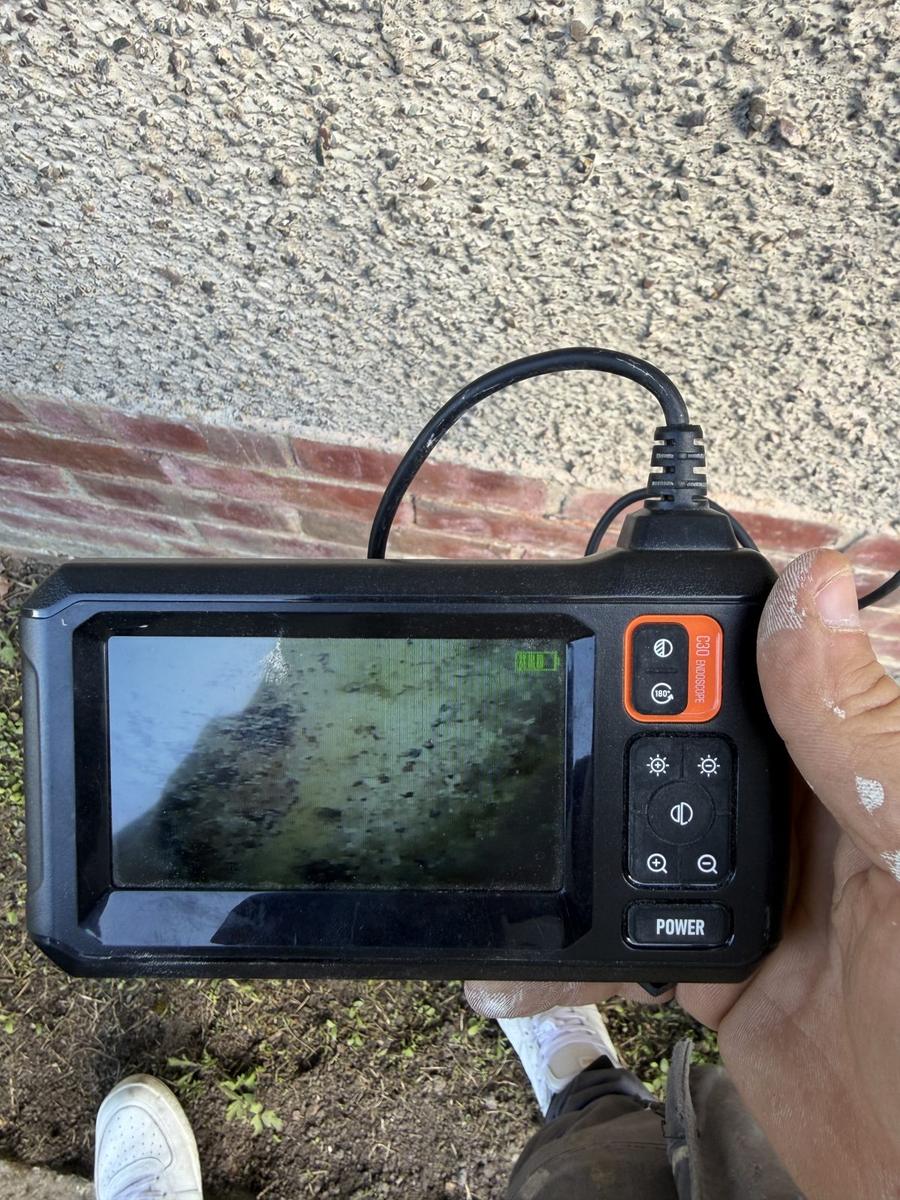
What an empty cavity looks like on the borescope. See the North Berwick job.
Borescope inspection to confirm an unfilled cavity, check width, condition and any damp.
Small holes are drilled in the external wall at regular intervals, usually in the mortar joints.
Insulation beads are blown into the cavity under pressure until every void is filled.
Holes are sealed with colour-matched mortar so the wall looks untouched.
A senior installer checks for even coverage with no gaps, and you get your guarantee paperwork.
Cavity insulation beads (expanded polystyrene) are generally the best material to install. They're lightweight, water-resistant, flow around obstructions to fill the cavity completely and don't slump over time the way older materials can.
Blown mineral wool (glass or rock wool) is non-combustible, fire-resistant and gives some sound insulation, but must be installed with care to avoid voids.
Foam gives an airtight seal but some products emit gases during install and the older urea-formaldehyde foams have been discredited. We don't use them.
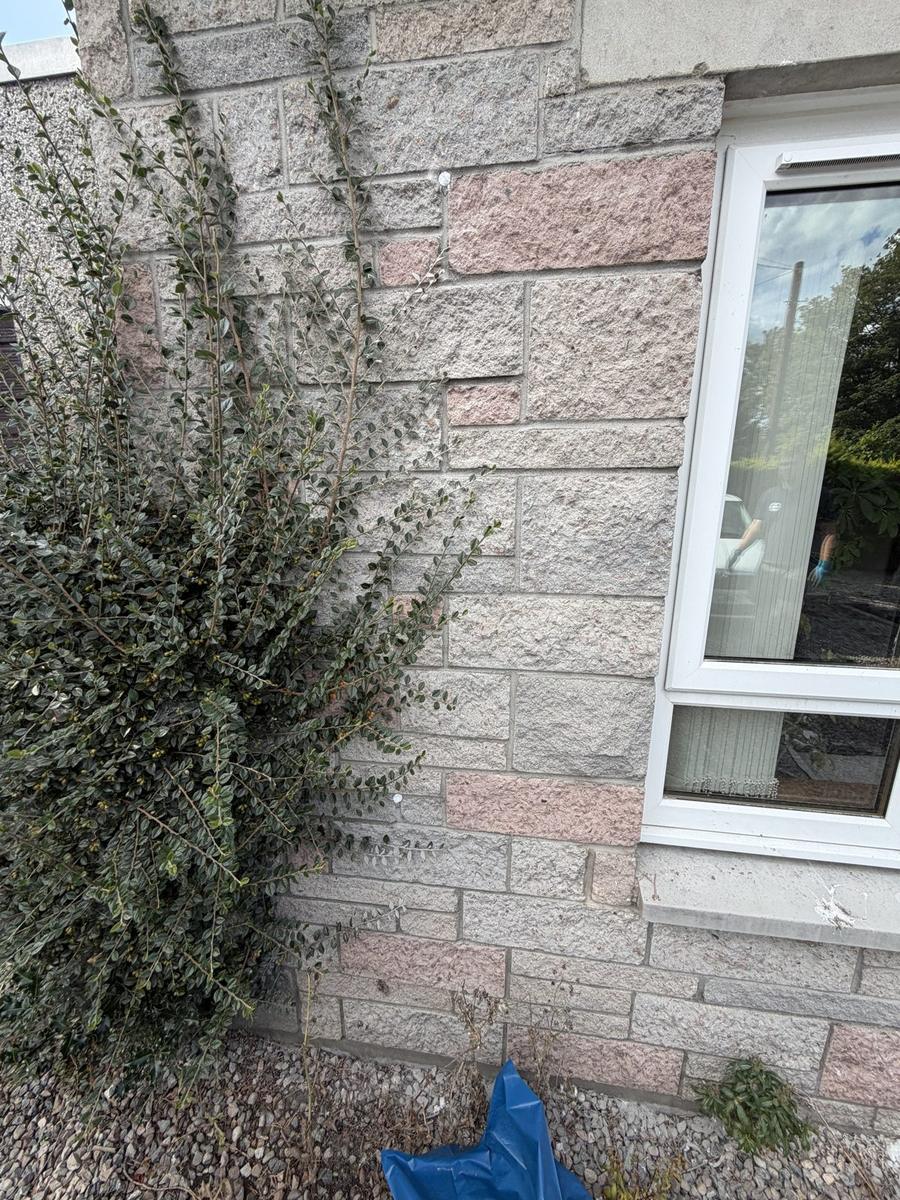
Holes sealed on a granite front in Nairn. See the full job.
A thermal barrier across the whole external wall, keeping warmth in through winter.
Less energy needed to hold a comfortable temperature.
Warmer in winter, cooler in summer, fewer cold walls and draughts.
Quick, external-only work with minimal disruption inside.
Warmer wall surfaces mean less condensation and mould risk when installed correctly.
Filled cavities reduce outside noise coming through the walls.
Correctly installed bead insulation needs no maintenance and comes with a guarantee.
Heavily supported by funding schemes. Check eligibility.
There have been news reports in Scotland of cavity wall insulation causing damp where it was installed badly or in unsuitable properties. It's a real issue and it's why we're strict about the survey.
Most problems come down to three things: insulating walls that had damp or defective pointing to begin with, leaving voids that create thermal bridges (cold spots that attract condensation and mould), or using materials that break down. Our partner installers have completed thousands of jobs, follow the full process every time, and we'll tell you honestly if your house isn't a candidate.
Listed buildings need specific consideration and consent. If cavity wall insulation isn't right for you, internal wall insulation and loft insulation are the alternatives we'll walk you through.
Cavity wall insulation grants: who qualifies and how to apply.
Full details on cavity wall insulation removal.
If you've had a bad install, or your walls were insulated 15 to 20 years ago with older, less effective material, we can carry out cavity wall extraction and refill.
The old material is removed through the wall, the cavity is cleared and inspected, then refilled with modern bead insulation and checked for full coverage. It restores thermal performance, deals with moisture problems, and in most cases you'll qualify for a grant towards it.
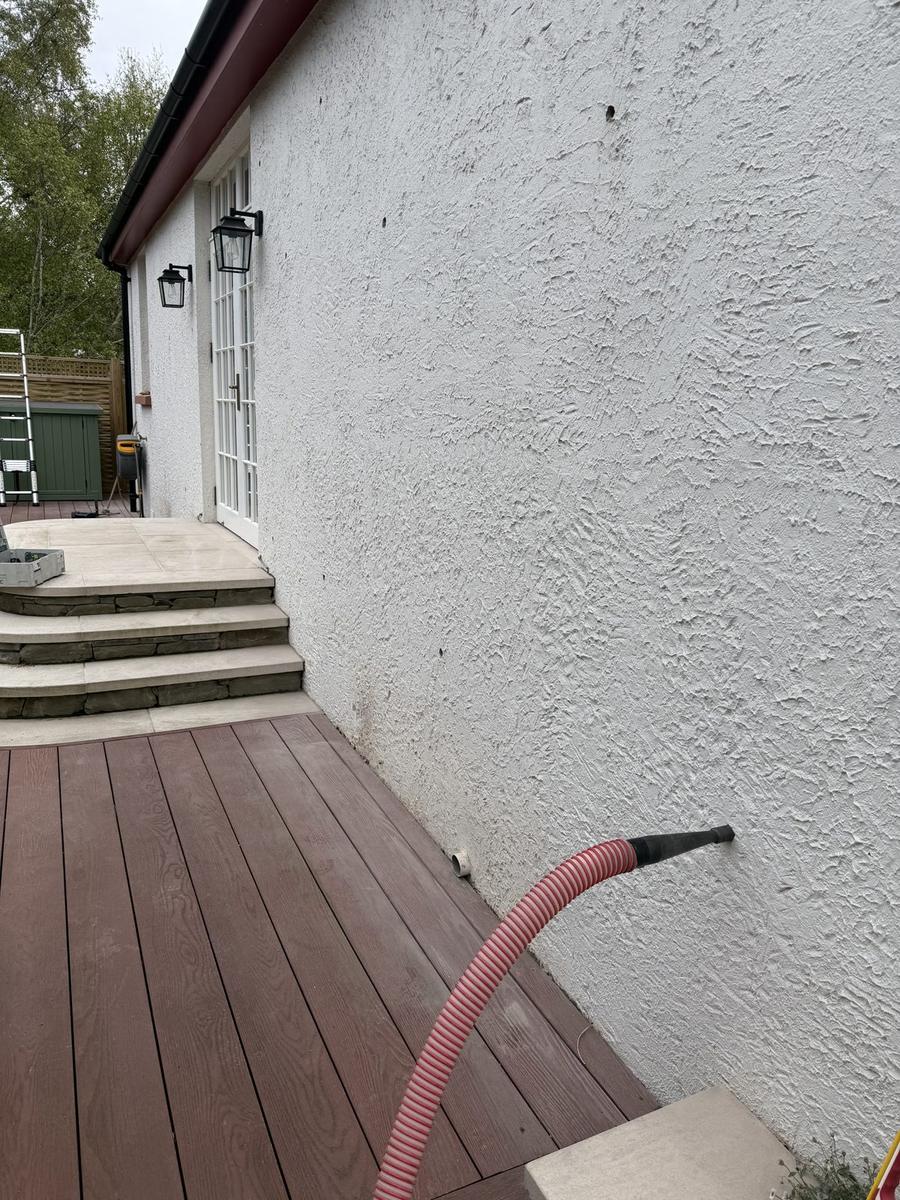
★★★★★Really impressed with Scottherm Insulation. The installers were organised, tidy, and clearly took pride in their work.
★★★★★Scot-Therm did an amazing job of our cavity walls and loft insulation. So helpful, quick, and hardly left a trace. Could not recommend them enough.
Edinburgh · Glasgow · Fife · Dundee · Aberdeen & Aberdeenshire · Perth & Kinross · Stirling & Clackmannanshire · Falkirk · West Lothian · Ayrshire · Inverness & the Highlands · Lanarkshire · Caithness · Moray · Isle of Skye · Argyll & Bute · Scottish Borders · Dumfries & Galloway · Angus · East Lothian · Midlothian · Renfrewshire & Inverclyde · Dunbartonshire
Your external walls need to be cavity construction (two leaves of brick or block with a gap), the cavity must be at least 50mm wide and clear of rubble, the brickwork must be in good condition and there must be no existing damp. Our surveyor checks all of this with a borescope before anything is quoted.
Most homes are done in a single day with minimal disruption. The holes are sealed with colour-matched mortar so you can't tell it's been done.
Badly installed insulation in an unsuitable property can. That's why the survey matters. Our partner installers have completed thousands of installs and follow the full process every time. We won't insulate walls that aren't suitable.
If yours was fitted 15 to 20 years ago it will be older, less effective material. We can extract it and refill with modern beads, and in many cases a grant will cover it.
Cavity wall insulation is one of the two most commonly funded measures alongside loft insulation. Eligible households can have it funded through Warmer Homes Scotland, ECO4 or council ECO Flex schemes.
Fill in the short form and one of the team will call you within 48 hours to arrange a no-obligation survey at your home. If you'd rather talk now, call 0800 069 9339.
The EPC, council tax band and benefits questions are optional – they just let us check grant eligibility before we visit.