
Half of Scotland's homes are stone or solid brick with no cavity. Internal wall insulation is how you make them warm, and it's joinery work from start to finish.
★★★★★ on Google · 17 reviews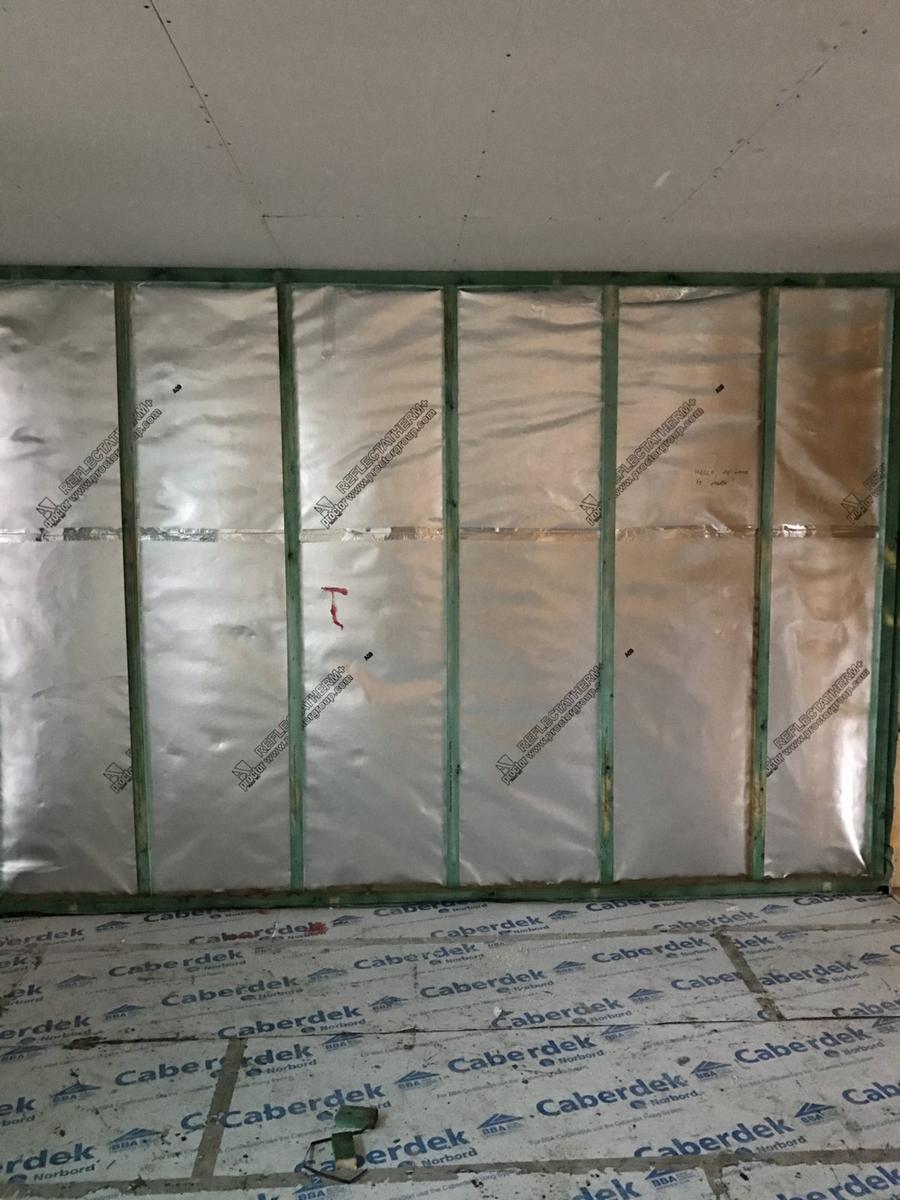
Stone and solid-brick walls have no cavity to fill. Our internal wall hero insulates them from the inside with breathable systems, room by room, joinery finished.
Get a free survey Meet the whole teamTenements, Victorian villas, cottages, croft houses and most of Scotland's pre-1920 housing have solid walls: one thick leaf of stone or brick with nothing in the middle to fill. They lose around a third of their heat through the walls and there's no cavity to inject.
Internal wall insulation puts the insulation on the inside face of the external walls. Either insulated plasterboard fixed direct to the wall, or a battened frame with mineral wool or wood fibre between and a vapour control layer over, then plasterboard and skim. Skirtings, coving, window reveals and sockets are removed and reinstated. Done properly it's invisible when finished.
We've recently completed internal wall work in Cults, Aberdeen and on Skye, and it's the measure we quote most often for older Edinburgh stock. See the Skye job, stage by stage.
IWI fails when it's treated as a plasterer's job. Window reveals need extending, skirtings and architraves need refitting to the new wall line, radiators and sockets need bringing forward, and the junctions at floors and ceilings are where cold bridging and condensation start if they're rushed. That's all joinery. Every ScotTherm fitter is a time-served joiner, and it shows on this kind of job.
On stone walls we favour breathable systems, wood fibre or mineral wool with a vapour-open finish, so the wall can still dry. Foil-backed PIR has its place on dry brick but sealing a damp rubble wall behind it is how you get mould. We check moisture before we choose a system.
Solid stone walls sit cold all winter and pull heat out of the room. Insulating them changes how the house feels, not just the bill.
Solid-wall homes are penalised on EPCs. IWI is one of the largest single-measure improvements available.
Warmer internal surfaces mean moisture stops condensing on cold walls behind furniture.
Do the coldest rooms first and the rest later. No need to do the whole house at once.
Listed buildings, conservation areas, tenements with shared walls: IWI is the option when external insulation isn't.
A high-value measure under Scottish schemes for qualifying households. Check eligibility.
Edinburgh · Glasgow · Fife · Dundee · Aberdeen & Aberdeenshire · Perth & Kinross · Stirling & Clackmannanshire · Falkirk · West Lothian · Ayrshire · Inverness & the Highlands · Lanarkshire · Caithness · Moray · Isle of Skye · Argyll & Bute · Scottish Borders · Dumfries & Galloway · Angus · East Lothian · Midlothian · Renfrewshire & Inverclyde · Dunbartonshire
Typically 60 to 100mm off each external wall, depending on the board. In a Victorian room that's rarely noticeable; in a small box room we'll talk it through first.
It's a proper joinery job: skirtings, coving and sockets on the external walls come off and go back on. We work room by room so the house stays liveable.
Not when it's done with the right breathable system and the wall was dry to begin with. Sealing a damp stone wall behind foil-backed boards is what causes problems, which is why we survey for moisture first.
Internal wall insulation is an eligible measure under Warmer Homes Scotland and ECO routes for qualifying households, and it's one of the higher-value measures because solid-wall homes score poorly on EPCs.
Internal insulation is usually the only option there, since the outside can't change. Some councils want consent for listed interiors; we'll tell you if yours does.
Fill in the form and we'll call within 48 hours to arrange a survey. We'll check moisture, measure up and give you a room-by-room written quote. Or call 0800 069 9339.